
Free rehab Long Island
Free rehab Long Island options exist for people who need treatment but worry about cost. According to SAMHSA listings, 49 facilities on Long Island offer free or low-cost care as of November 2026. This guide explains how to find them and what to ask.
- accept it in Long Island
- 49
- provide detox
- 5
- inpatient programs
- 3
Cost often delays treatment for people with a substance use disorder. On Long Island, 83 treatment facilities are listed through SAMHSA, and 49 of them offer free or low-cost options. That includes outpatient programs, residential care, detox, and medication-assisted treatment. Understanding these options can make the search feel manageable. This page walks you through how to access free rehab Long Island resources and what to ask when you call.
New York has expanded Medicaid, so more people qualify for coverage than in states that did not expand. Private insurance, Medicare, and TRICARE may also help pay for rehab. For people without insurance, sliding-scale fees and state-funded programs can lower costs. The next sections explain how to check your coverage and find a program that fits your budget.
Questions to raise when you call
- Do you offer free or sliding-scale fees for people without insurance?
- Is Medicaid accepted, and are there any copays for outpatient or residential care?
- How long is the wait for an appointment or bed, and what information do I need to bring?
- Do you provide medication-assisted treatment (buprenorphine) and dual diagnosis support if needed?

How to find free rehab on Long Island
- 1
Check your insurance or Medicaid status
Substance use treatment under Medicaid may come with small copays or none at all. Private insurance often covers rehab too. Knowing what your plan pays helps you narrow the centers you can afford. If you lack insurance, ask about state-funded programs and sliding-scale fees.
- 2
Use SAMHSA's FindTreatment.gov
Filter by payment options like sliding scale, Medicaid, or no charge. The listings show 49 free or low-cost facilities on Long Island, with 49 offering sliding-scale fees. This is a reliable starting point for comparing programs and locations. You can also call the helpline for help navigating the listings.
- 3
Call the helpline for personalized guidance
One confidential phone call, at no cost to you, puts you in touch with treatment advisors familiar with what is available nearby. They can sort out which programs suit your budget and needs. Nothing is demanded of you by calling, and you are free to ask point-blank about free rehab resources on Long Island. Advisors collaborate with licensed providers and can help you get your questions ready.
- 4
Ask about financial assistance and payment plans
Many facilities offer payment plans or financial assistance. When you call a center, ask if they have grants, scholarships, or state funding. Some programs adjust fees based on income, so it is worth asking even if you think you will not qualify. Knowing these details can reduce stress.
Free rehab resources on Long Island
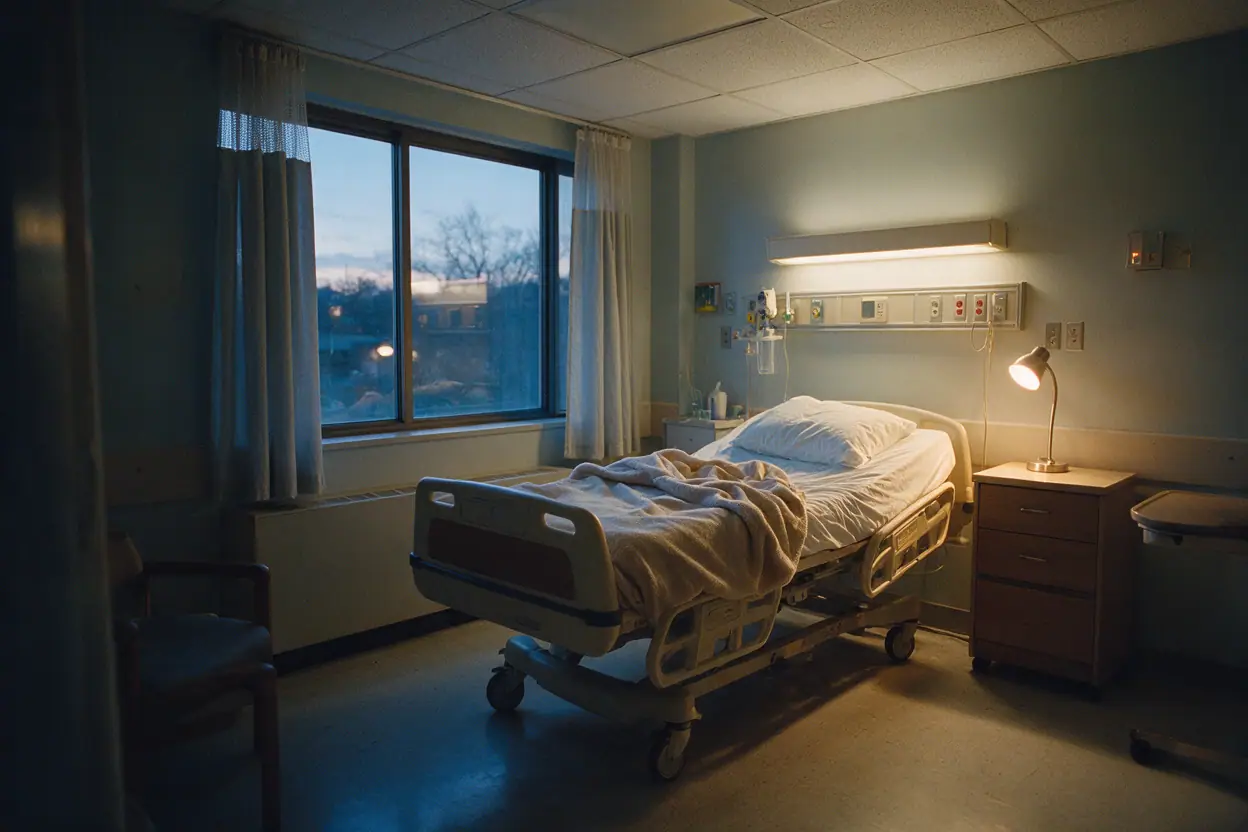
Long Island stretches 35 miles, and treatment options vary by location. According to SAMHSA, 83 facilities are listed in the area, with 49 offering free or low-cost services. Of those, 46 provide outpatient care, 11 offer intensive outpatient programs, 5 have detox services, and 3 offer residential treatment. This range means you can find help close to home, whether you need structured outpatient support or a residential program. When you compare rehabs in Long Island, check whether the center accepts Medicaid and offers sliding-scale fees to keep costs manageable.
When exploring free rehab Long Island options, consider how far you are willing to travel. If you rely on public transportation, then ask each center about accessibility and nearby bus or train routes before scheduling an intake appointment. Some centers are in Nassau County, others in Suffolk. Also ask about waitlists and intake times. Some programs may have immediate openings, while others might require a few days. If you need a residential program, then confirm whether the facility offers detox on site or nearby medical supervision. Planning ahead can reduce stress. For people without insurance, the 49 centers with sliding-scale fees are a practical place to start your search.
- provide detox
- 5
- residential care
- 3
- intensive outpatient
- 11
- outpatient care
- 46
| Name | Town | Offers | Accepts |
|---|---|---|---|
| Community Counseling Services of | Ronkonkoma | Outpatient | Medicaid, Insurance, Sliding fee |
| Phoenix House | Ronkonkoma | Residential | Medicaid, Medicare, Insurance, Sliding fee |
| Family Res and Esst Enterprises | Oakdale | Outpatient | Medicaid, Medicare, Insurance, Sliding fee |
| YMCA Family Services | Holtsville | IOP, Outpatient | Medicaid, Medicare, Insurance, Sliding fee |
| Addiction Recovery Services | Smithtown | Outpatient | Medicaid, Medicare, Insurance, Sliding fee |
| Town of Smithtown | Smithtown | Outpatient | Medicaid, Medicare, Insurance, Sliding fee |
| Suffolk Cnty Dept of Hlth Servs | Smithtown | Outpatient, OTP | Medicaid, Medicare, Insurance, Sliding fee |
| Outreach Development Corporation | Brentwood | Outpatient | Medicaid, Medicare, Insurance, Sliding fee |
| Seafield Services Inc | Patchogue | IOP, Outpatient | Medicaid, Insurance, Sliding fee |
| Family Servs League of Suffolk County | Bay Shore | IOP, Outpatient | Medicaid, Medicare, Insurance, Sliding fee |

Good to know
Does Long Island have free rehab centers?
Yes, according to SAMHSA's listings, 49 facilities on Long Island offer free or low-cost treatment as of November 2026. These include outpatient programs, residential centers, and detox services. While no facility is completely free, many provide sliding-scale fees, accept Medicaid, or offer financial assistance. Calling ahead to confirm costs and availability is a practical step.
How can I pay for rehab on Long Island if I don't have insurance?
Several routes exist. If you qualify, New York's Medicaid program may pay for treatment. Plenty of facilities set fees on a sliding scale tied to income, and 49 centers on Long Island offer that kind of pricing. Certain programs hold state block grants, which let them serve people with no insurance. The helpline links you with advisors knowledgeable about free rehab Long Island resources.
What is the Intensive Outpatient Program on Long Island?
An IOP is a structured treatment program that typically meets several times a week for a few hours at a time, allowing you to live at home. On Long Island, 11 facilities offer IOP services, and many are low-cost. IOP can be a good fit if you need support but do not require 24-hour care. It often includes group therapy, counseling, and medication management.
Does Medicaid cover drug and alcohol rehab on Long Island?
Yes, New York has expanded Medicaid, and many treatment centers accept it. In fact, 49 of the free or low-cost facilities on Long Island accept Medicaid, according to SAMHSA listings. Coverage typically includes outpatient counseling, medication-assisted treatment, and some residential care. It is best to confirm with the specific program, as copays and covered services can vary.
What should I expect during the first call to a rehab center?
You will be asked about your substance use, medical history, and insurance status to determine the appropriate level of care. The staff may also ask about your living situation and support system. Be honest about your needs and ask about costs, wait times, and what to bring. This call is confidential and does not commit you to treatment.
Ready to explore your options
Considering free rehab options on Long Island? One phone call is the next thing to do. Treatment advisors staff the helpline and can lay out local resources and payment paths. The call is free, kept private, and asks nothing of you. They will help you see which programs might fit your situation and what to ask when you reach out to a center on your own. Call whenever it feels right.