Detox Long Island
Detox Long Island means medical supervision while your body clears alcohol or drugs. 17 facilities listed for Long Island offer it, with 16 accepting Medicaid. This page explains the day and how to choose.
- programs in Long Island
- 17
- take Medicaid
- 16
- take private insurance
- 15
Medical detox is the period when a substance leaves the body under clinical supervision. On Long Island, 17 SAMHSA-listed detox facilities provide monitoring, nursing checks and, where appropriate, medication to ease withdrawal symptoms. It is the front end of treatment, not the whole of it, and most people move into inpatient care, an intensive outpatient program or ongoing medication afterward.
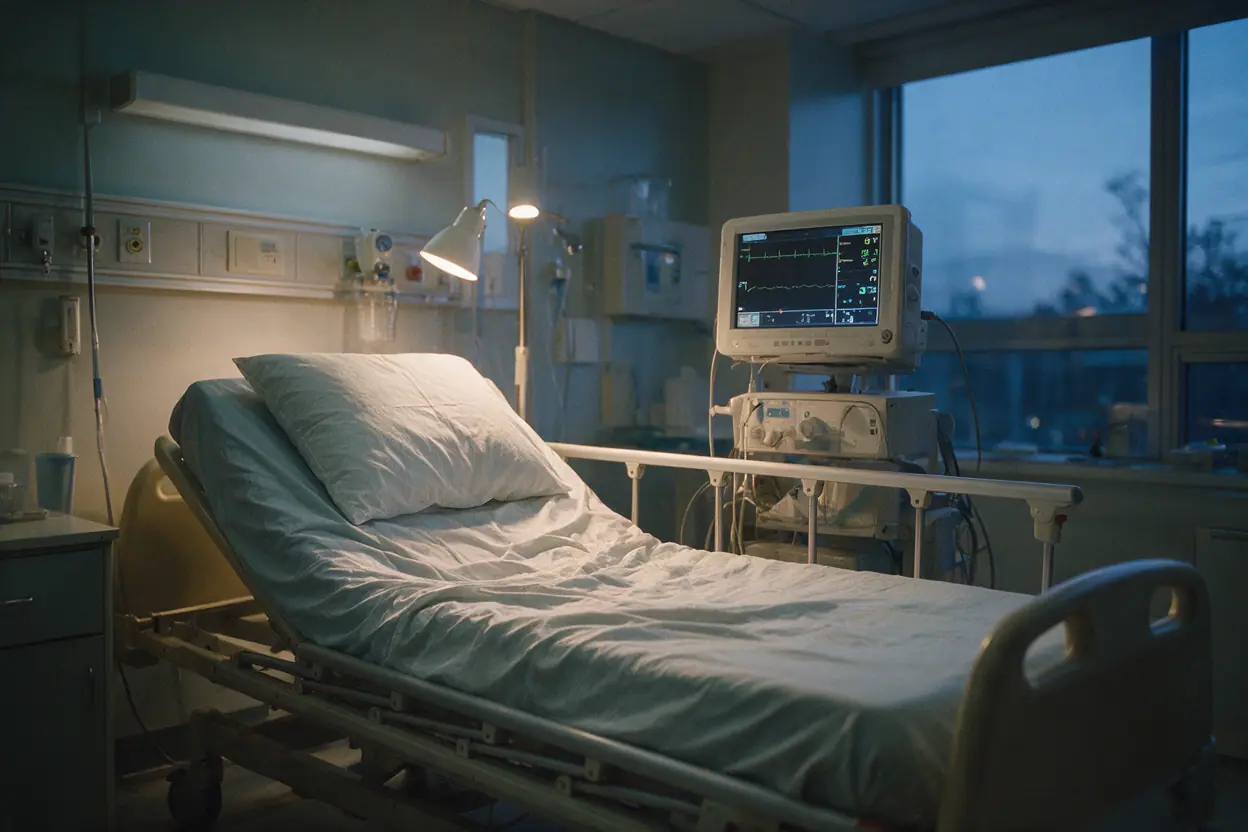
A typical day starts early. Staff check vital signs, ask about sleep and symptoms, and adjust anything that needs adjusting. You eat, attend a short group or individual session, and have stretches of quiet time. A clinician may ask about mental health history, since 12 of the local detox programs also offer dual diagnosis care. Visitors are usually limited while you settle in.
Quitting alcohol or benzodiazepines can be risky, and clinician oversight is important for both of them. When staff are watching, they can step in if blood pressure, heart rate or seizure danger shifts. The goal is to get through the opening stage of treatment safely, so later choices come from a clear mind.
What to expect from intake to discharge
- 1
First call and screening
A short phone conversation covers what you use, how much and for how long, plus insurance. Staff use it to decide whether detox is appropriate and which program fits. Nothing is promised before a clinical assessment.
- 2
Assessment and admission
At the facility, a clinician reviews health history, medications and withdrawal risk. Consent and insurance are confirmed, then you are settled with a care plan. Withdrawal from alcohol or benzodiazepines is treated with particular caution here.
- 3
Daily monitoring and support
Nursing checks, symptom review and medication where needed. You may attend groups and meet a counselor. Some programs begin planning the next level of care, such as inpatient rehab, IOP or medication for opioid use disorder, within the first days.
- 4
Discharge planning and next level
Before leaving, staff help arrange a next step, whether that is one of the 17 inpatient programs, one of 26 IOP options or outpatient care. Ask for the plan in writing and confirm the follow-up appointment before you go.


Detox options around Long Island
SAMHSA FindTreatment.gov lists 17 detox facilities on Long Island, out of 83 total facilities in the area. Of those 17, 16 accept Medicaid and 15 take private insurance, so cost need not be the only factor. Under the federal parity law, most plans must cover substance use treatment much like medical care, and New York expanded Medicaid, which helps explain why so many local programs accept it.
Practical details matter when you call. Of the 17 detox programs, 7 offer services in Spanish and 14 offer telehealth for parts of the assessment or follow-up. If you need to keep working or care for family, ask how intake is scheduled and whether someone can help with paperwork. Bed availability changes daily, so a program that is full this morning may have room tomorrow.
Location is its own factor. The 35-mile span of Long Island means travel time ranges widely, and a center close to home makes aftercare and family visits easier. If you are coming from Brooklyn or further west, ask about intake hours before you set out.
- take Medicaid
- 16
- take private insurance
- 15
- take Medicare
- 12
- sliding-scale pricing available
- 5
| Name | Town | Offers | Accepts |
|---|---|---|---|
| Talbot House | Bohemia | Detox, Residential | Medicaid |
| Employee Assistance Resource Servs Inc | Smithtown | Detox, IOP, Outpatient | Medicaid, Medicare, Insurance |
| Saint Charles Hospital | Port Jefferson | Detox | Medicaid, Medicare, Insurance |
| South Oaks Hospital | Amityville | Detox, OTP | Medicaid, Medicare, Insurance |
| Bridge Back to Life Center Inc | Bethpage | Detox, IOP, Outpatient | Medicaid, Medicare, Insurance |
| Central Nassau Guidance Srvs | Hicksville | Detox, Outpatient | Medicaid, Medicare, Insurance, Sliding fee |
| Wellbridge Stabilization Program | Calverton | Detox, Residential | Insurance |
| LITC BH LLC | Hicksville | Detox, PHP, IOP, Outpatient | Medicaid, Insurance |
| Nassau University Medical Center | East Meadow | Detox, Residential | Medicaid, Medicare |
| Seafield Center Inc | Westhampton Beach | Detox, Residential | Medicaid, Insurance |
Paying for detox on Long Island
Of the 17 detox facilities, 16 accept Medicaid and 12 accept Medicare, while 5 offer a sliding fee scale for people paying without coverage. Private insurance is accepted at 15. Ask each program to verify your benefits in writing before admission, since authorization requirements differ. If you have no coverage, ask specifically about the sliding fee, because not every program advertises it and you may need to request it.

Who medical detox fits on Long Island
- People whose drinking or drug use has led to withdrawal symptoms before, such as shaking, sweating or a racing heart, who need monitoring rather than willpower.
- Anyone using alcohol or benzodiazepines heavily, where unsupervised withdrawal can carry real medical risk and staff presence changes that risk.
- People dealing with a co-occurring mental health condition, since 12 of the 17 listed detox facilities on Long Island offer dual diagnosis care together with withdrawal support.
- Those who tried to stop at home and could not get through the first few days, or who need a safe place to start before choosing longer-term care.
Good to know
How do I find detox on Long Island that accepts my insurance?
Start with the 17 detox facilities listed for Long Island on SAMHSA FindTreatment.gov, where 15 accept private insurance and 16 accept Medicaid. Ask each program to check your plan and confirm any prior authorization before admission. A free helpline can narrow the list by coverage, location and whether Spanish-language or dual diagnosis care is offered.
Is alcohol detox on Long Island safe to do at home?
Stopping alcohol and benzodiazepines can be dangerous and clinician oversight matters. At a supervised detox, staff monitor blood pressure, heart rate and seizure danger, and they respond when something shifts. If withdrawal symptoms have happened to you before, an assessment by a clinician before you stop is the safer route. This site offers no advice on tapering or dosing.
How long does detox take?
Timing varies by substance, how long someone has used and their health. MedlinePlus notes that withdrawal symptoms generally begin within hours to a few days and can last days to weeks. Detox programs usually plan for a short stay, then a step into inpatient rehab, IOP or outpatient care. Ask the program how it handles the transition.
What does a day in detox look like?
Days are structured but calm. Vital signs and symptom checks come first, then meals, a group or individual session and rest. Staff may assess mental health, since 12 of the 17 local detox programs offer dual diagnosis care. Visitor rules and phone access vary, so ask before you arrive so family knows what to expect.
Can I get detox if I also have a mental health condition?
Often yes. Of the 17 listed detox facilities on Long Island, 12 offer dual diagnosis care, meaning withdrawal support alongside attention to conditions such as depression or anxiety. Ask during the screening call how the program coordinates that care. Detox alone does not treat either condition, so a plan for ongoing treatment matters.
Does Long Island have a drug problem?
Long Island has 83 facilities listed on SAMHSA FindTreatment.gov, which reflects real demand for treatment in the area. The listings include 75 programs offering medication for opioid use disorder and 17 detox facilities. If you are wondering whether your own use is a concern, a confidential call can help you think through options without pressure.
Detox Long Island help
If detox has been on your mind, whether for yourself or someone close, talking it through is a reasonable next move. The helpline costs nothing and keeps things private, and referral specialists connected to licensed treatment programs answer at all hours. They can spell out which of the 17 local detox programs match your insurance, whether Medicaid applies, and what the first day looks like. A call commits you to nothing, and nobody can promise admission or a set result. What you do get is a clearer view of the choices and a plan for your next call.